Promoting local ownership of sustainable peacebuilding
Empower, Mentor and Build Capacity of Women & Youth at the grassroots, to better understand, appreciate and drive peacebuilding processes.
We empower young people and women as key partners in peacebuilding processes and gender mainstreaming
We build the capacity of young people and women as drivers of real change
We promote a culture of youth service and community development through volunteerism
We do this through
We conduct thorough research to understand the specific peace-related challenges faced by youth and women in our target communities. We Identify their needs, concerns, and priorities related to peacebuilding.
We ensure that our governance structure, leadership, and programming prioritize the meaningful participation and representation of youth and women.We involve them in decision-making processes and leadership positions within the organization.
We design our programs and initiatives to address the unique needs and experiences of youth and women in peacebuilding. This includes leadership development, conflict resolution training, empowerment workshops, advocacy campaigns, and support for women’s economic empowerment.
We provide training, mentorship, and skill-building opportunities to empower youth and women to actively engage in peacebuilding efforts. We equip our participants with the knowledge, tools, and resources needed to become effective peacebuilders and leaders in their communities.
We Forge partnerships with youth-led organizations, women’s groups, community-based organizations, government agencies, and other stakeholders who work in the field of conflict, peacebuilding, mediation and gender mainstreaming. Collaboration strengthens our impact and enhances the sustainability of our efforts.
We integrate a gender-sensitive approach into all aspects of our work, including program design, implementation, monitoring, and evaluation. We ensure that our programs address the specific needs and rights of women and youth, as well as promote gender equality, equity and women’s empowerment.
We facilitate and create safe and inclusive spaces where youth and women feel comfortable expressing themselves, sharing their experiences, and participating in peacebuilding activities. We foster an environment of trust, respect, and mutual support.
Through our programs, we advocate for policies and practices that promote the rights, participation, and inclusion of youth and women in peacebuilding efforts by raising awareness on the importance of youth and women’s contributions to peace and conflict resolution.

Ms. Baiden is the founder of ‘Own The Peace Africa’, a civil society organization, committed to mentorship, empowerment and capacity building of women and youth at the grassroots, to better understand and drive peacebuilding processes. She works on gender responsive capacity and peacebuilding and has contributed extensively to the National Commission on Small Arms & Light Weapons – Ghana, in review of gaps in the national arms legislation. She is a Tsuha Global Fellow and led in the implementation of a High-Level Forum on ‘Citizenship for Peace and Security: Promoting Women & Youth as Partners in Achieving a Peaceful 2024 Election and Beyond’, convened at the Kofi Annan International Peacekeeping Training Centre in Accra, Ghana in collaboration with KAIPTC, Curtin University – Australia, the Australian High Commission – Ghana, Own The Peace Africa and Impact Her World Foundation. She is an Adjunct Research Fellow with Curtin University and also consults for SheDreams Africa, a civil society organization, on gender, youth and security issues.
Ms. Baiden is a IEP/Rotary Positive Peace Activator for West & Central Africa.
Beatrice doubles as Head of Corporate Affairs of the Gaming Commission of Ghana. Prior to this, she worked as a broadcast journalist with Global Media Alliance (e.TV Ghana) as Editor, Producer and News anchor and also worked with the Ghana Broadcasting Corporation as an Assistant Editor, covering news stories in Ghana, Kenya, Nigeria and South Africa respectively. She is an Institute for Economics & Peace alumni as well as a Thomson Reuters Foundation alumni.
Ms. Baiden holds a Master of Advanced Studies in International & European Security from the University of Geneva and a Leadership in International Security Certificate from the Geneva Center for Security Policy, Switzerland. She holds a second Masters in Gender, Peace and Security from the Kofi Annan International Peacekeeping Training Centre (KAIPTC) in Ghana and a bachelor’s in Communication Studies from the Ghana Institute of Journalism. She is an accredited member of the Institute of Public Relations, Ghana and is committed to be part of a clout of international experts who work to promote sustainable peace that transcends borders.

Dr. Fiifi Edu-Afful (PhD) is a Senior Researcher with The United Nations Institute for Disarmament Research (UNIDIR) Coordinating the Pillar on Preventing Armed Conflict and Armed Violence (PACAV). He formerly worked as a Visiting Fulbright Scholar-in-Residence at American University School of International Service and University of Maryland Department of Government and Politics and the Kofi Annan International Peacekeeping Training Centre. He was a Global Fellow of the Geneva Centre of Security Policy (GCSP), a 2013 laureate for the Council for the Development of Social Science Research in Africa (CODESRIA). His works focuses peace operations, conflict Prevention, youth and conflict Terrorism and Violent Extremism, Protection of Civilians and Conflict-Related Sexual Violence
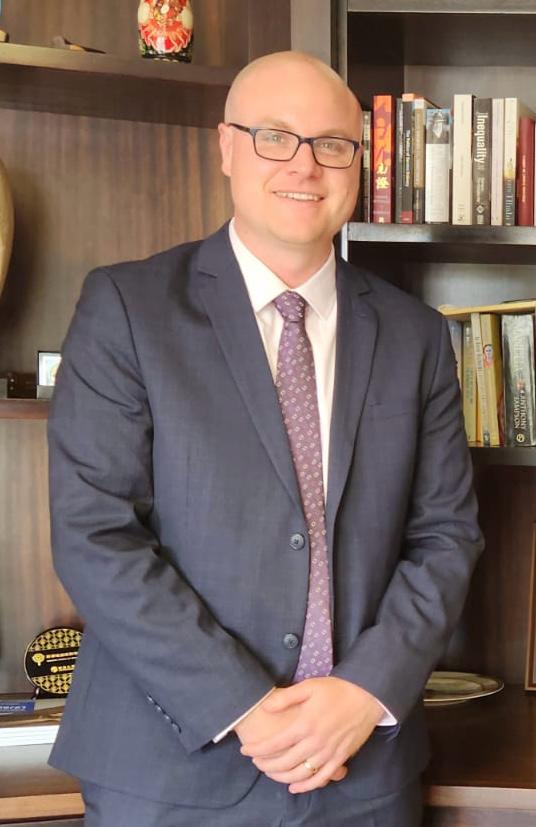
David Mickler is Dean Global, Africa & Founding Director, Centre for Australia-Africa Relations, in the Office of the Deputy Vice-Chancellor Global, and an Associate Professor of International Relations in the Faculty of Humanities, at Curtin University, Perth.
He is the incoming (2025) Co-Chair of the flagship Australia Africa Universities Network (AAUN), and he convenes both the Emerging Leaders in Australia-Africa Diplomacy (ELAAD) program for AAUN and the Australia-Africa Literacy program for the Australian Department of Foreign Affairs and Trade’s Diplomatic Academy in Canberra.
A/Prof. Mickler is a Future Africa Visiting Fellow at the University of Pretoria, South Africa, and a Senior Fellow of the Higher Education Academy (SFHEA). He is a member of the Advisory Board for the Organisation of African Communities in Western Australia (OACWA).
He also serves as the Australian Representative to the Indian Ocean Rim Association Academic Group (IORAG) and convenes the annual IORA collaborative regional short course International Relations in the Indian Ocean Region at Curtin’s African campus in Mauritius.
A/Prof. Mickler was previously Founding Director of the Africa Research & Engagement Centre (AfREC) at the University of Western Australia; Chair of the Faculty Africa Regional Strategy Group at the University of Melbourne; and Inaugural Co-Chair of the Global Africa Group in the Worldwide Universities Network (WUN). He has also been a visiting scholar at Addis Ababa University and the African Union Commission, and has developed academic partnerships in several African countries, including the Africa Green Hydrogen Hub (AGHH) in Kenya.
His books include New Engagement: Contemporary Australian Foreign Policy Towards Africa (2013), The African Union: Addressing the Challenges of Peace, Security and Governance (2016), and Africa and the Sustainable Development Goals (2020). He is a Chief Investigator on the Australian Research Council Discovery Project African Impact in Australia (2023-26) and Co-Editor on the book project Australia-Africa Science Diplomacy: Collaborative Research, Policy Impact and International Cooperation (under development).
A/Prof. Mickler works closely on Africa and Indian Ocean research, teaching, training and external engagement with a range of stakeholders in academia, government, industry and diaspora communities. In 2018 he won the Community Pillar (Excellence in Innovation) Award at the Western Australian African Community Awards and in 2023 he won the Global Award for Leadership at Curtin University.
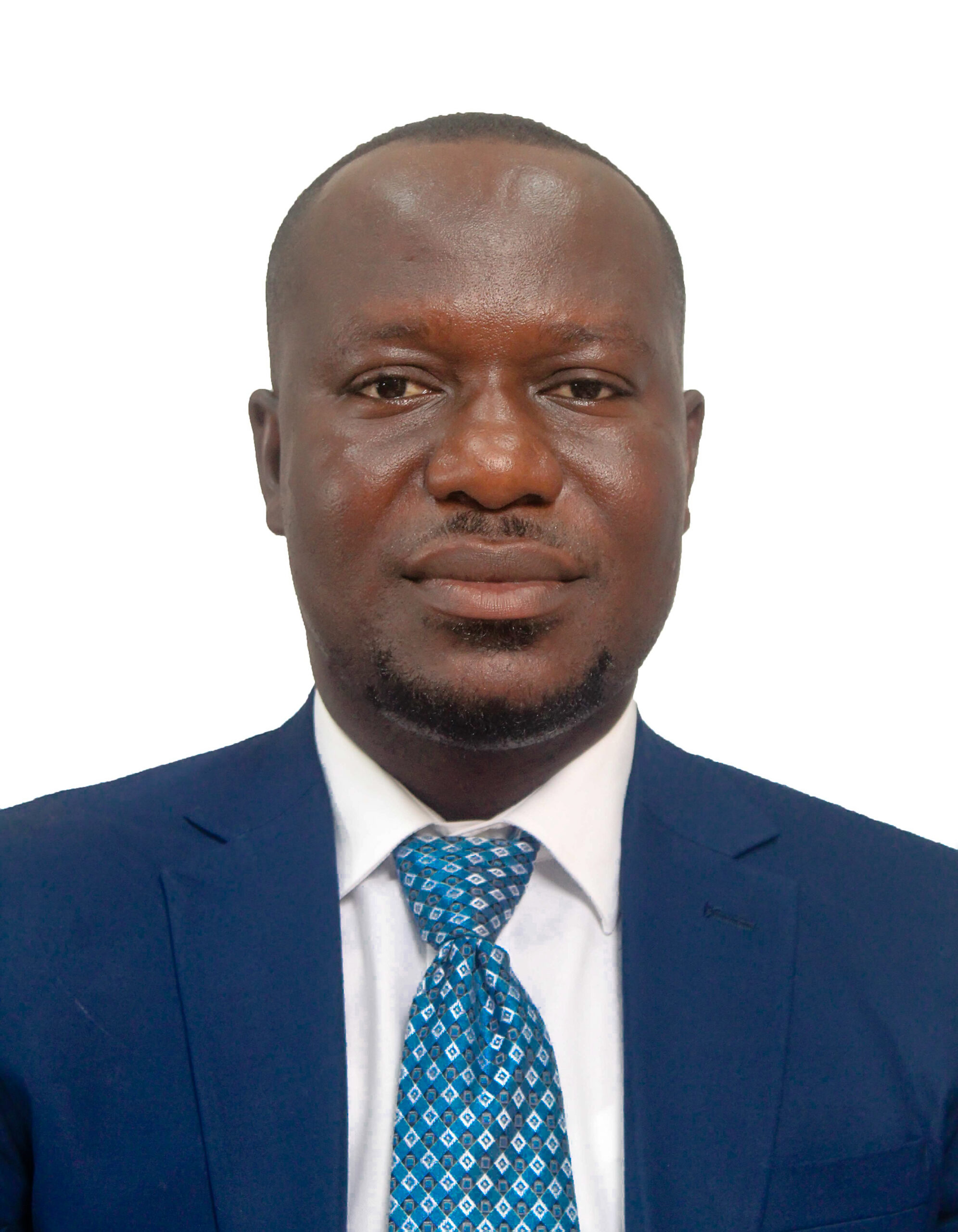
Ernest Ofosu Appiah is the Coordinator of the Women, Youth, Peace and Security Institute (WYPSI) at the Kofi Annan International Peacekeeping Training Centre (KAIPTC). He is an academic and practitioner with over 15 years of teaching experience and expertise in migration, gender, peacebuilding, security, development studies, law, and accounting.
Mr. Ofosu Appiah has coordinated several high-level programmes, including the 7th iDOVE Intercontinental Youth Forum (2024), the Women, Peace and Security Panel Discussion organized in collaboration with the Australian High Commission in Accra, and the 6th GIMAC Strategic Engagement with the African Union, Regional Economic Communities, and Partners, also held in Accra. He previously served as the Welfare Officer in the Education Directorate, where he contributed to institutional growth and staff welfare.
He is a member of the Gender is My Agenda Campaign (GIMAC) network, which promotes the effective implementation of the Women, Peace and Security (WPS) agenda across Africa.
His work focuses on migration, gender, peacebuilding, and security in Africa, with a strong passion for advancing gender equality, inclusive development, and sustainable peace through research, advocacy, and policy engagement.
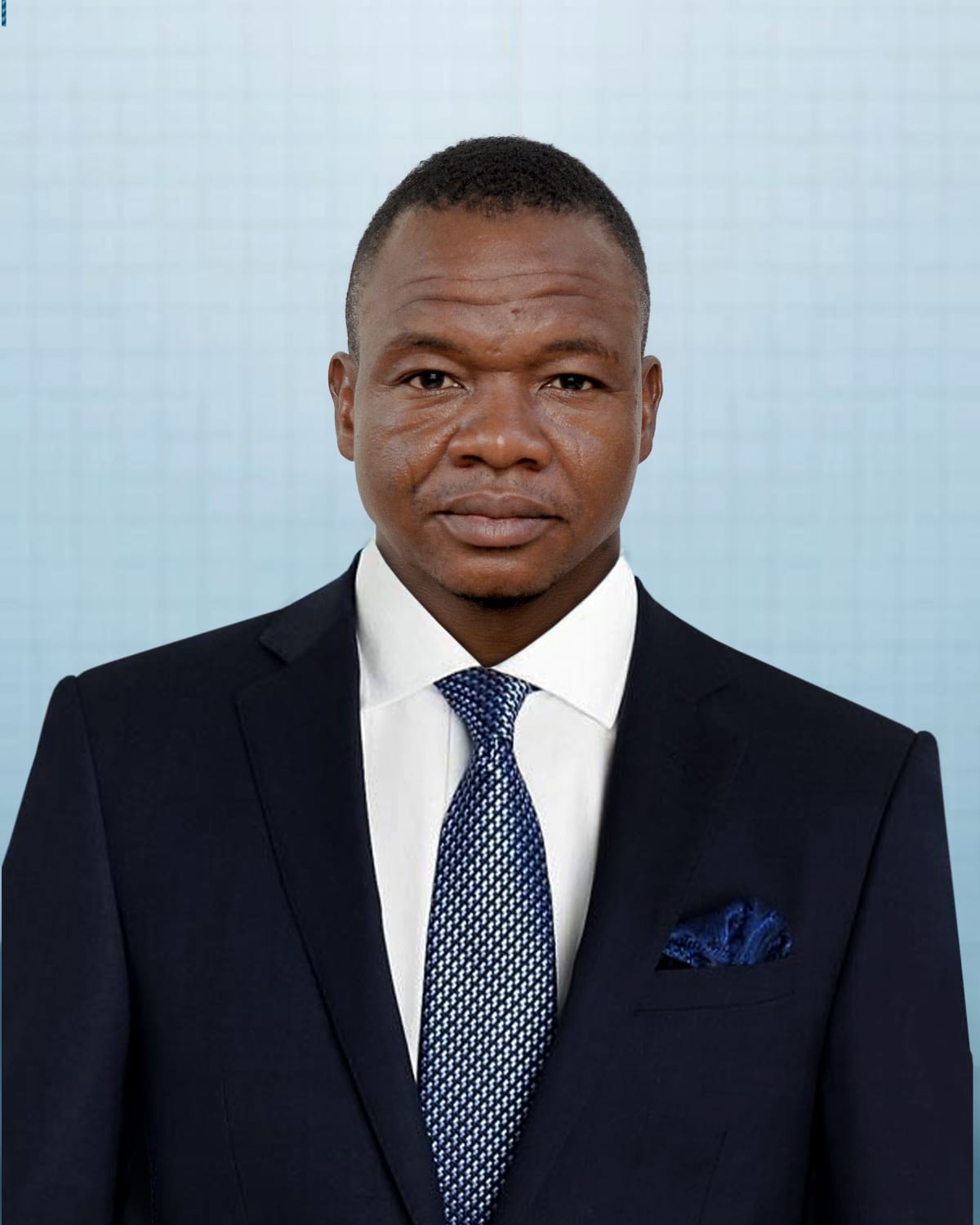
Elijah Adam is a National Security and Public Administration professional with advanced training in International Relations. His expertise spans peacebuilding, conflict resolution, and research. He currently serves as Development Planning Officer at the West Mamprusi Municipal Assembly in the North East Region of Ghana. He implements local government activities, planning, monitoring and evaluation and advises on Local Economic Development.
Elijah holds a Master’s in International Relations and National Security from Curtin University, a Master’s in Public Administration from Sungkyunkwan University, and a Bachelor’s in Integrated Development Studies from the University for Development Studies, Wa.
He volunteers as Country Trustee for Bridge International, consulting on its global Social Enterprises program. He is also a member of the Australian Youth Community Service Hub, the Ghana National Association of Teachers, and the Ghana Institute of Planners.
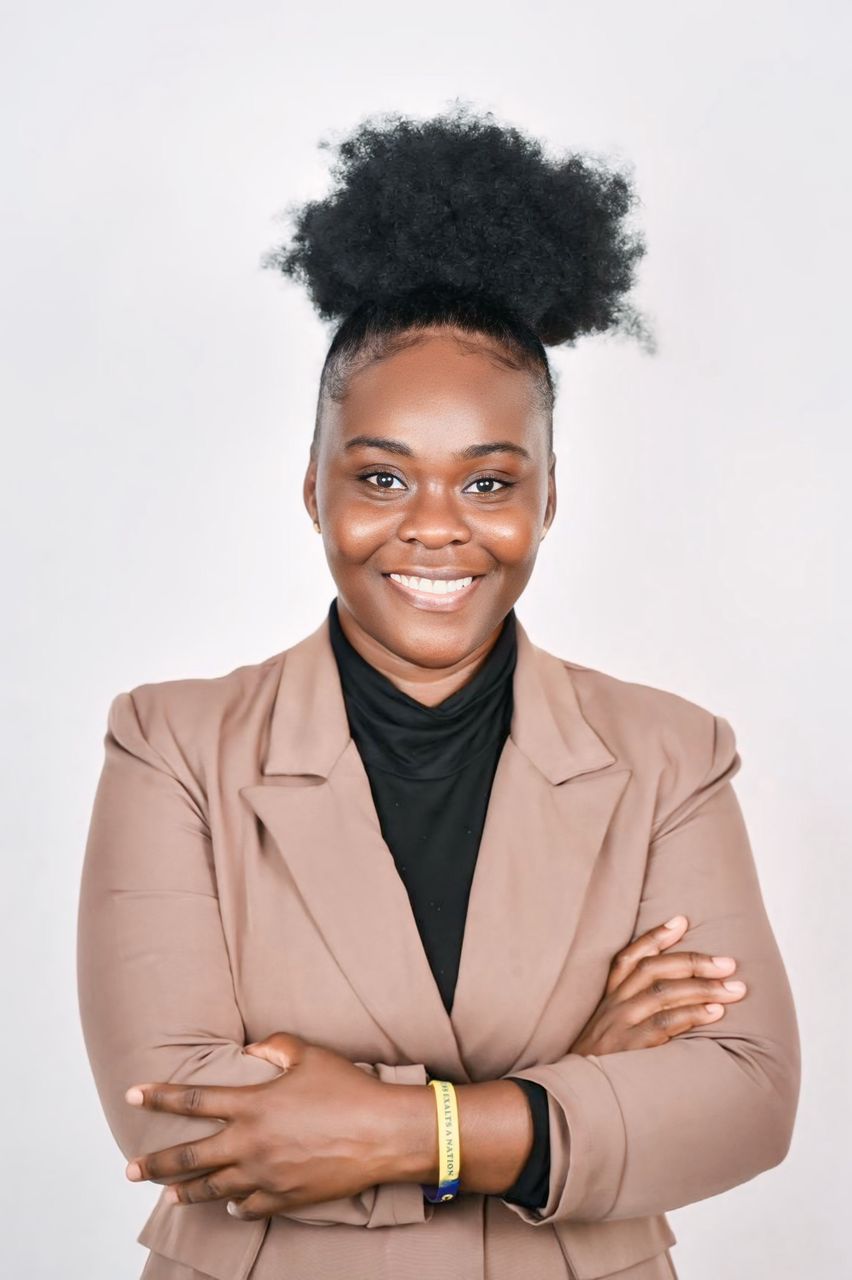
Geraldine is a communications and public relations professional with expertise in strategic communication, media relations, advocacy, gender inclusion, peace building, and stakeholder engagement.
With over eight years of professional experience across the governance, media, development communication, and security sectors, she has led and supported initiatives that promote peace, gender equality, and sustainable development.
Geraldine is committed to using communication as a tool for social change, inclusion, and dialogue that fosters understanding and strengthens community resilience. Her professional background includes leading communication efforts in arms control, disarmament, and mental health advocacy, while working collaboratively with state institutions, civil society organizations, and international partners.
She holds a Master’s degree in Media Management and a Bachelor’s degree in Communication Studies from the University of Media, Arts and Communication (UNiMAC–GIJ). She has also obtained professional certifications in Public Relations, Strategic Communication, and Digital Marketing, and is an active member of the Institute of Public Relations (IPR) Ghana and Women in PR Ghana.
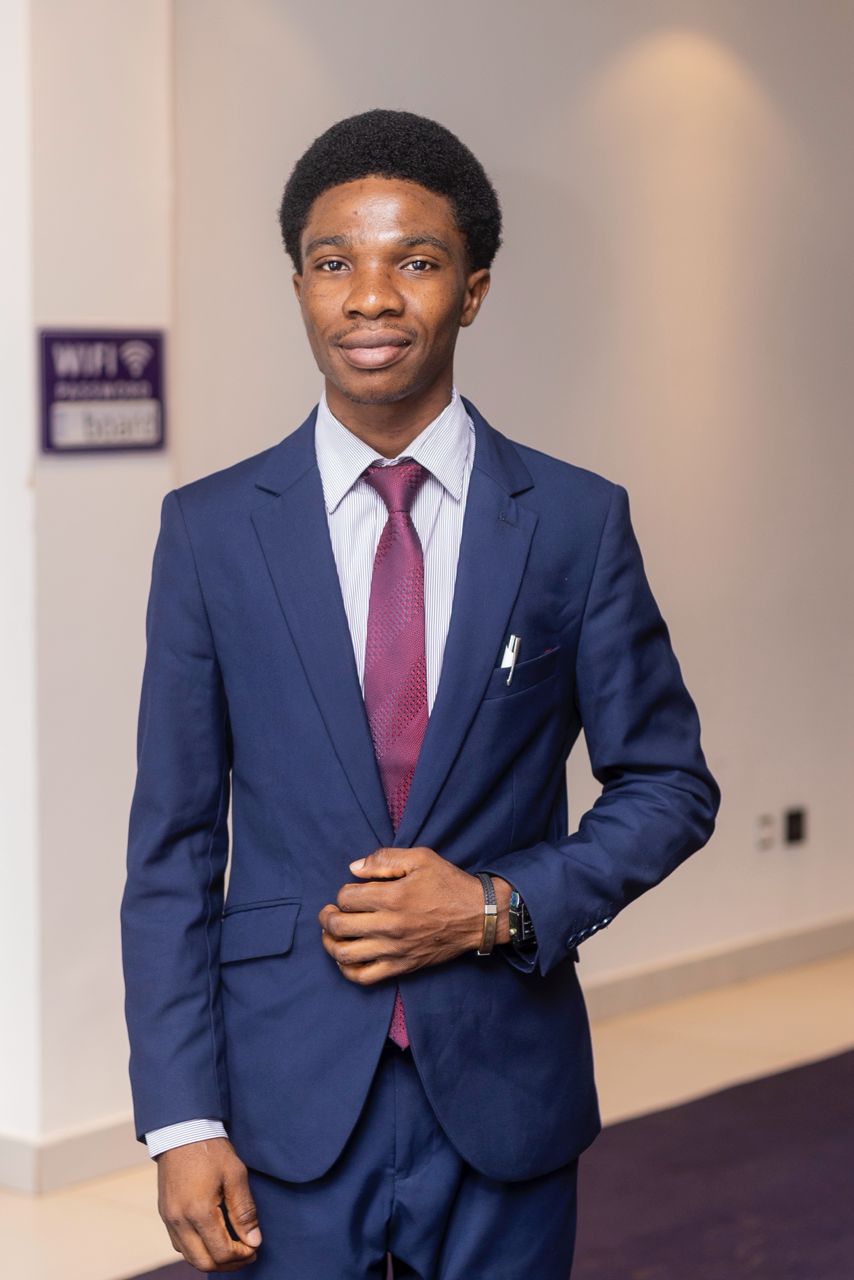
Wilbert Venunye Adri is a Social Entrepreneur with a BSc in Natural Gas Engineering from the University of Mines and Technology. He is the CEO of Wilbert Language Consult, a firm that provides language and communication training for professionals and youth. As Volunteer Coordinator at Eco Africa Network, promoting sustainability, Climate Action and youth empowerment through mentorship and community initiatives is one of his priorities. At Global Strategic Network, Wilbert serves as Sales Representative, leading Sales efforts and helping individuals, businesses and industries connect with Africa’s Mining Health and Safety Series.
 Own The Peace Africa